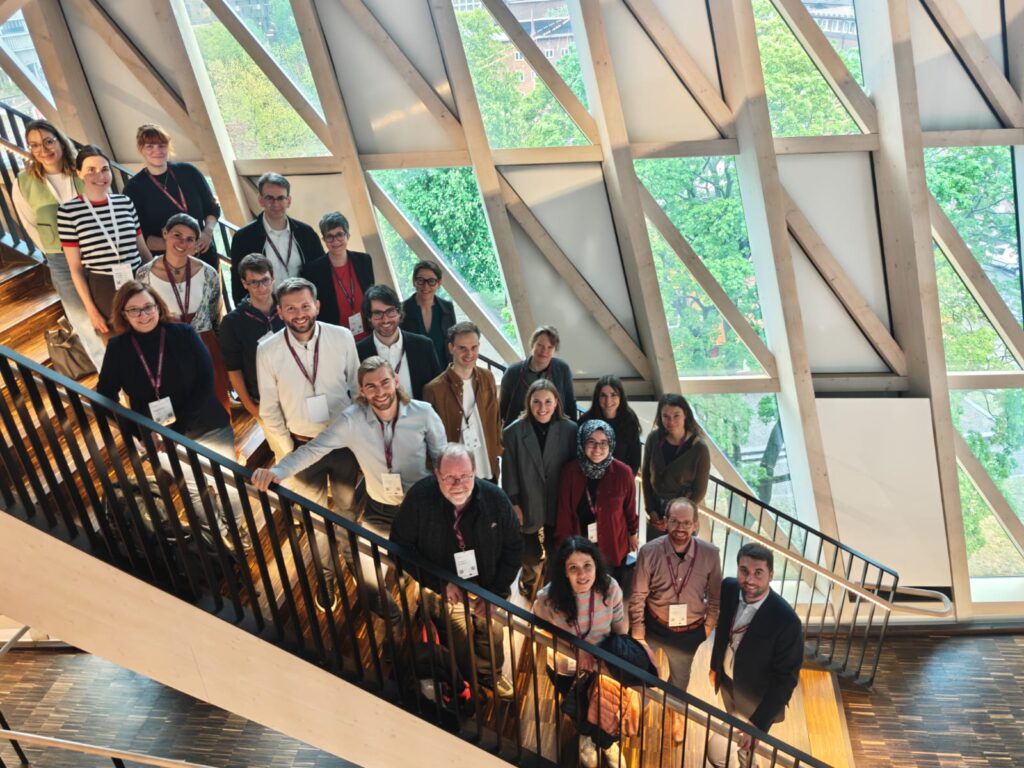
The Medical University of Innsbruck took part in the NeurotechEU Neuroinnovation Summit and General Assembly at Karolinska Institutet with 27 participants, strengthening MUI’s role in European cooperation in neuroscience, clinical neurotechnology, education and innovation.
From 11–13 May 2026, Karolinska Institutet in Stockholm hosted the NeurotechEU Neuroinnovation Summit and the 11th General Assembly of the European University Alliance of Brain and Technology. The meeting brought together students, researchers, educators, administrative staff and university leadership from across the NeurotechEU alliance to discuss the next phase of European cooperation in neurotechnology.
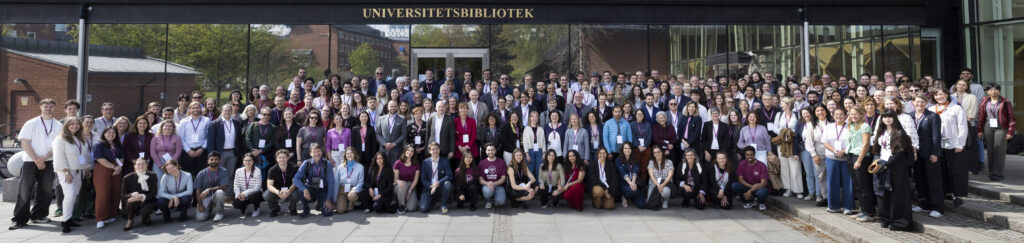
Under the theme “Next Generation – Skills, Talent, Careers & Innovation”, the program focused on how universities can prepare students and early-career researchers for the rapidly developing field of neurotechnology. Sessions addressed topics such as artificial intelligence, brain imaging, data analysis, innovation in healthcare, mobility, joint study programs and future collaboration formats.
The Medical University of Innsbruck was represented by a broad delegation of students, researchers and staff members. MUI participants joined scientific sessions, student training tracks, working group meetings and strategic discussions on the further development of NeurotechEU. This strong participation underlines MUI’s active role in shaping the alliance and in connecting its clinical, scientific and educational expertise with partners across Europe.
For MUI, the General Assembly was particularly relevant for ongoing work on student and staff mobility, clinical neurotechnology education, internships, Campus+ teaching formats and future joint programs. One important development is the planned Joint Master’s program in Clinical Neurotechnology with partners in Reykjavik and Stockholm, in which Innsbruck is expected to contribute expertise in clinical applications of neurotechnology, clinical study design and gender aspects.
“NeurotechEU gives MUI the opportunity to connect our strengths in clinical neuroscience, education and translational research with complementary expertise across Europe. The Stockholm meetings helped translate this cooperation into concrete next steps for students, researchers and staff,” says Johannes Passecker.
As one of the nine partner universities in NeurotechEU, MUI contributes to a European network that aims to advance education, research and innovation in neurotechnology. The alliance brings together neuroscience, medicine, engineering, artificial intelligence, ethics, innovation and entrepreneurship to train the next generation of professionals working with technologies from, for and with the brain.
The outcomes of the Stockholm meetings will feed into MUI’s local NeurotechEU activities, including upcoming mobility opportunities, educational offers, internal community-building and collaboration with academic and non-academic partners in the region.